Dairy-Free Pesto
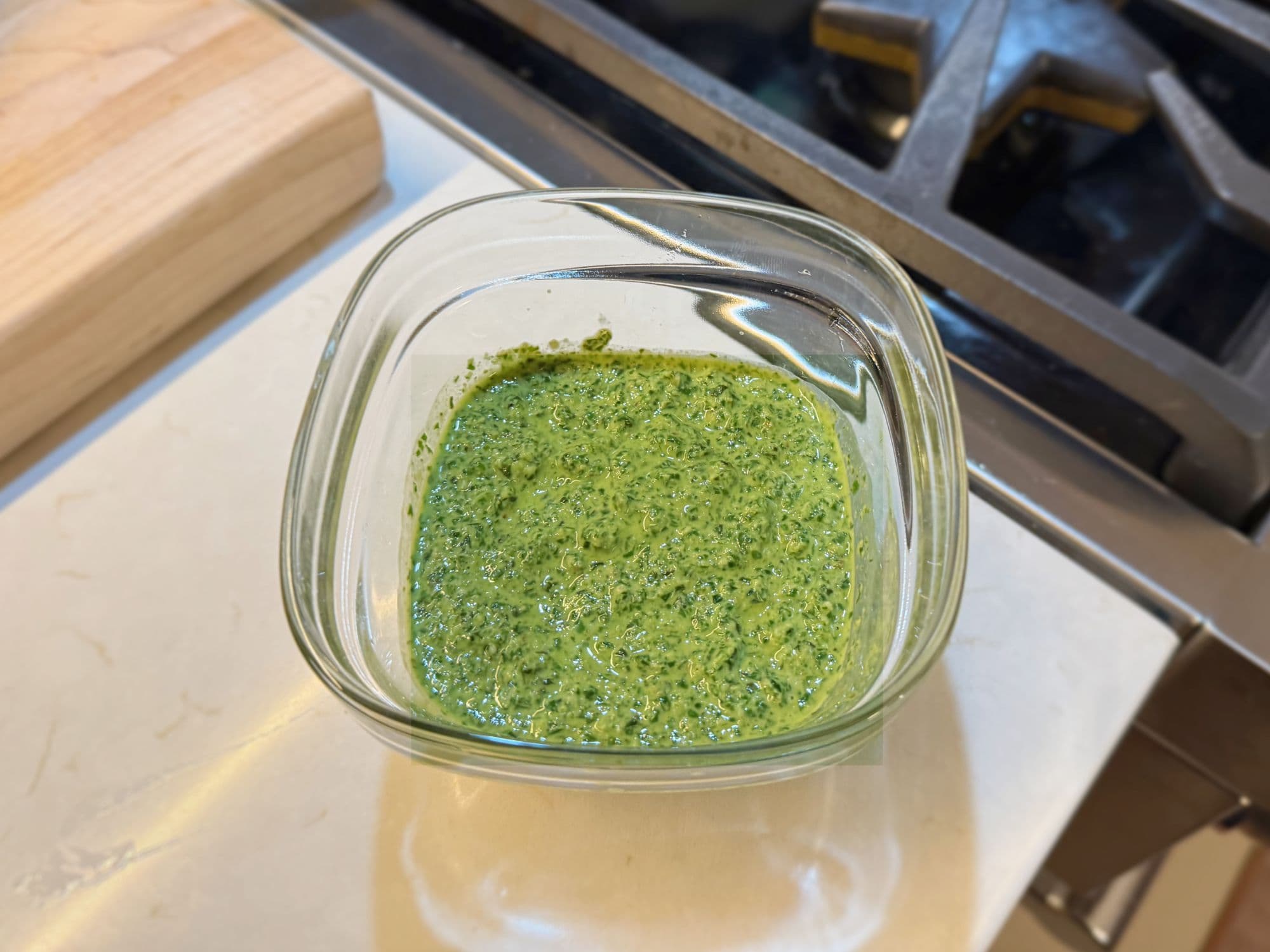
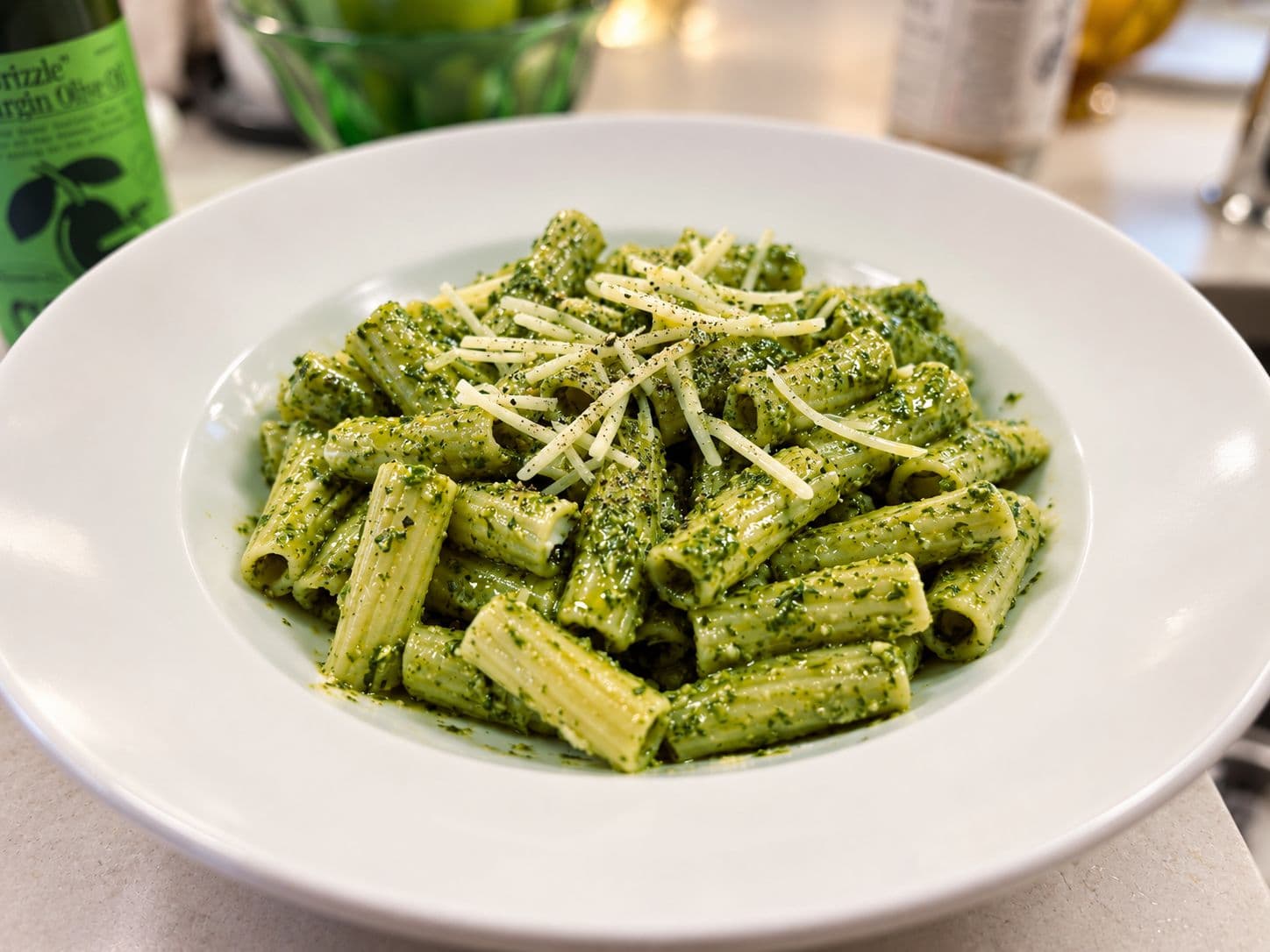
A quick dairy-free pesto with no cheese in it, built on nut-based parmesan and finished with the olive oil stirred in by hand so it never turns bitter.
Recipe by Andrew Tibbs, the Non Dairy Dude in Dairy-Free Sauces
Published
- Total
- 15m
- Makes
- about 1 cup
- Level
- easy
Jarred pesto is one of the sneakier things to lose when you cut dairy. Parmesan and Pecorino are both structural in the classic version rather than garnishes, so almost every jar on the shelf is out. This one leans on a nut-based dairy-free parmesan instead, with lemon and garlic carrying the rest.
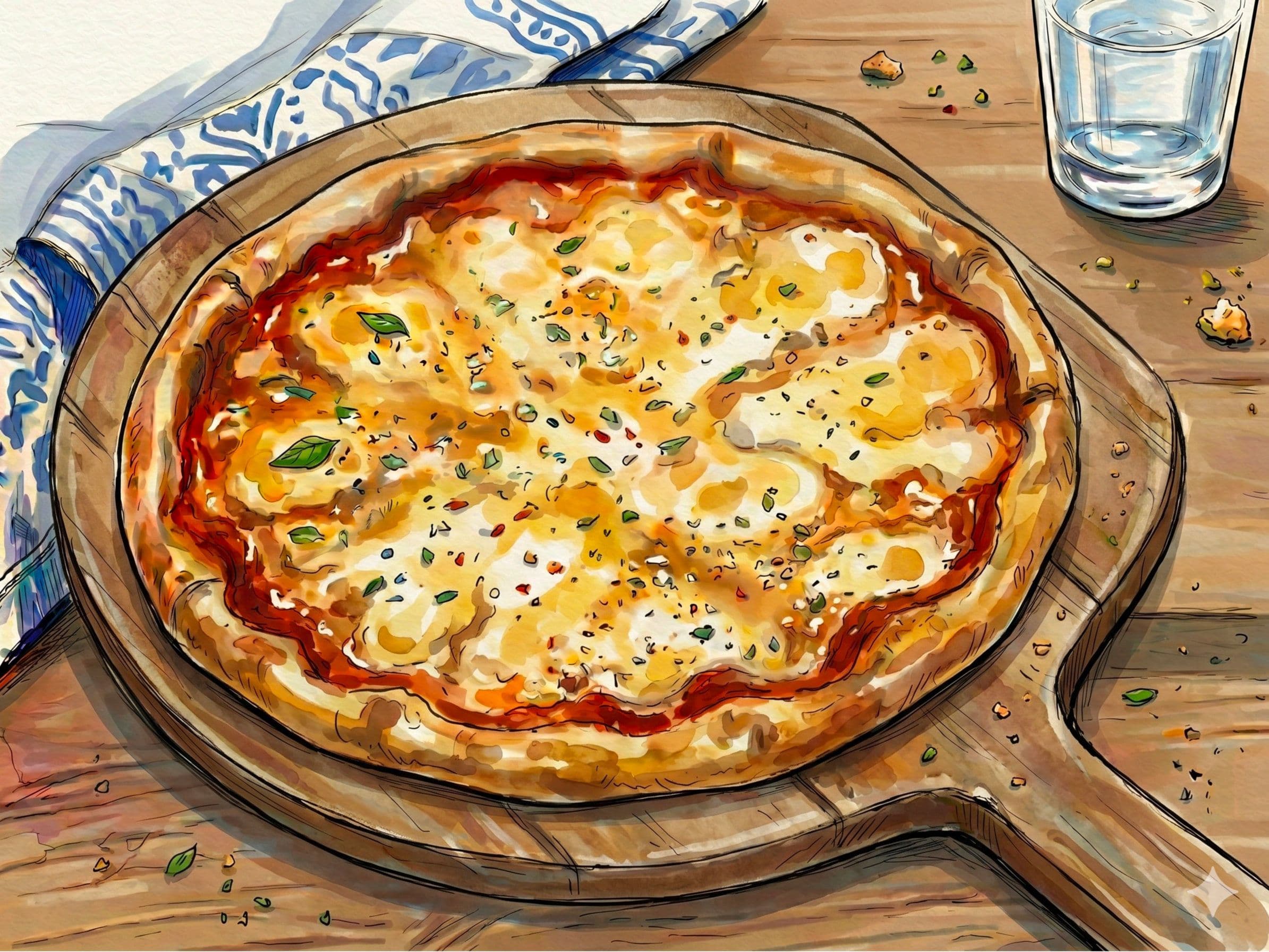
The one thing worth doing exactly as written is the olive oil. It goes in by hand at the end rather than streamed into the running processor, and that matters more than it sounds: shearing extra-virgin oil at speed turns it bitter. Everything else is a fifteen minute job with no cooking involved. If you want the pesto to stay bright green for days instead of dulling overnight, there is a blanching step in the tips that handles it. Use it on pasta, on a dairy-free cheese pizza, or anywhere you would reach for my dairy-free caesar dressing.
Ingredients
Pesto
- 2 cupsFresh basil leaves, packed
- 1 cloveGarlic clove, peeled
- ⅓ cupPine nuts or walnuts
- ⅓ cupFinely grated nut-based dairy-free parmesan, cashew or almond style
- 1 tspFresh lemon juice
- ½ tspFinely grated lemon zest
- ¼ tspKosher salt, plus more to taste
Finish
- ⅓ cupExtra-virgin olive oil
- 2 tbspIce-cold water, as needed
Instructions
- 1
Add the basil, garlic, pine nuts, dairy-free parmesan, lemon juice, lemon zest, and salt to a food processor.
- 2
Pulse in short bursts until everything is finely chopped and holding together as a coarse paste, scraping down the sides as you go. Stop while it still has some texture, since heat from the blade dulls the basil.
- 3
Scrape the mixture into a bowl and stir in the olive oil by hand, starting with 1/3 cup and adding more until it reaches the consistency you want. Do not stream the oil into the running processor, because shearing extra-virgin olive oil at speed makes it taste bitter.
- 4
For a looser, silkier sauce, stir in the ice-cold water a tablespoon at a time. Taste and adjust with more salt, lemon juice, or dairy-free parmesan.
Did you make it?
Tap a star to rate this recipe.
How we make it dairy-free
- Parmesan → Nut-based dairy-free parmesan, the cashew or almond kind, which grinds into the sauce the way aged cheese does rather than turning pasty.
- Pecorino → The same nut-based parmesan carries both cheeses in classic pesto, with the salt held back so you can season to taste once it is blended.
- Salty, savory backbone → Nutritional yeast and a little white miso stand in when no nut-based parmesan is available, covering the umami without adding starch or coconut oil.
Tips & Variations
For pesto that stays green: Raw basil browns within hours of being cut. To stop it, bring a small pot of water to a boil, drop in three quarters of the basil for 10 to 15 seconds, then move it straight into a bowl of ice water for 30 seconds and blot it dry. Keep the last quarter raw so you do not lose the fresh top notes. Worth it if you are making it ahead, skippable if you are eating it tonight.
Tame the garlic, or use two cloves: Raw garlic sharpens in a food processor and keeps getting stronger over several days in the fridge, which is why this calls for one clove rather than two. If you are already blanching the basil, drop the peeled cloves in for 30 seconds first and you can comfortably use two. Otherwise mince the garlic and let it sit in the lemon juice for 10 minutes before it goes in, which takes off some of the raw bite.
Stir the oil in by hand: Shearing extra-virgin olive oil in a food processor disperses its polyphenols and turns it bitter. Stirring at the end keeps the flavor clean and gives you better control over thickness. If you want it tighter, pulse once or twice afterward and accept a little bitterness as the trade.
No nut-based parmesan: Most shaker-style versions are coconut oil and starch. They go pasty in the processor and can seize on hot pasta. Skip it and use 2 tablespoons nutritional yeast plus 1 teaspoon white miso instead.
If you use walnuts: They cost a fraction of pine nuts and work well, but they are more tannic. Give walnuts a light toast in a dry skillet and cool them first. Pine nuts go in raw.
For pasta: Reserve a little pasta water and stir it into the pesto before tossing. The sauce coats the noodles without needing extra olive oil.
Store it under oil: Smooth the surface in the container and pour a thin layer of olive oil on top to keep air off. It keeps 4 to 5 days in the fridge, or freeze it in ice cube trays and move the cubes to a sealed bag.
Frequently asked questions
Is pesto usually dairy-free?⌄
No. Classic pesto Genovese is built on Parmigiano-Reggiano and Pecorino Sardo, and both are structural rather than sprinkled on top. Nearly every jarred pesto on the shelf contains one or both, and some also carry cream or milk powder. Read the label rather than assuming a green sauce is safe.
Why is my dairy-free pesto bitter?⌄
Almost always the olive oil. Running extra-virgin oil through a food processor shears it and releases polyphenols that taste sharp and bitter, which is why this recipe has you stir it in by hand. Over-processing the basil contributes too, and if you swapped in walnuts, their tannins add to it unless you toast them first.
How much pesto do I need for a pound of pasta?⌄
One batch, about a cup, coats a pound of pasta generously. If you like it lighter, three quarters of a cup is plenty and you can freeze the rest. Thin whatever you use with a few tablespoons of the starchy pasta water right before tossing, because pesto straight from the bowl is too thick to coat noodles evenly.
Can I make this in a blender or by hand?⌄
Both work. A blender needs more liquid to get moving, so start with half the olive oil in the jar and scrape often, and know that it runs warmer than a food processor, which dulls the basil faster. A mortar and pestle is the traditional tool and makes the best version, since it bruises the leaves instead of cutting them and generates no heat at all. It just takes about fifteen minutes of work.
What can I put dairy-free pesto on besides pasta?⌄
Spread it on sandwiches, spoon it over roasted potatoes or chicken, thin it with a little more lemon and oil for a salad dressing, or use it as the sauce on a pizza in place of tomato. It also stirs into a bowl of white beans for a fast lunch.
Dairy-Free Pesto · https://nondairydude.com/recipes/dairy-free-pesto
Get new dairy-free comfort food recipes
New recipes, substitution tips, and classic dishes rebuilt without dairy.