Dairy-Free Vanilla Buttercream Frosting
Dairy-free vanilla buttercream made with dairy-free butter sticks, powdered sugar, and a splash of oat milk or coconut cream, fluffy enough to pipe and stable enough to hold its shape.
Recipe by Andrew Tibbs, the Non Dairy Dude
Published
- Total
- 15m
- Makes
- about 3 cups
- Level
- easy
I went through a lot of sad, greasy frosting before I landed on this one. Regular buttercream is just butter, powdered sugar, and milk beaten until it's fluffy, so when you pull the dairy butter out, the whole thing can fall apart fast. Some dairy-free butters separate when you whip them, others go grainy, and a few just taste like margarine no matter what you add. Dairy-free butter sticks at cool room temperature fixed that for me. Not melted, not fridge-cold. Cool enough to hold air when you beat it.
The other piece is the liquid. A splash of unsweetened oat milk keeps the flavor neutral so the vanilla actually comes through. If you want something a little richer and more stable in warm weather, full-fat coconut cream works too, it just brings a faint coconut note with it. A little lemon juice or apple cider vinegar at the end cuts the sweetness so it doesn't taste like straight sugar.
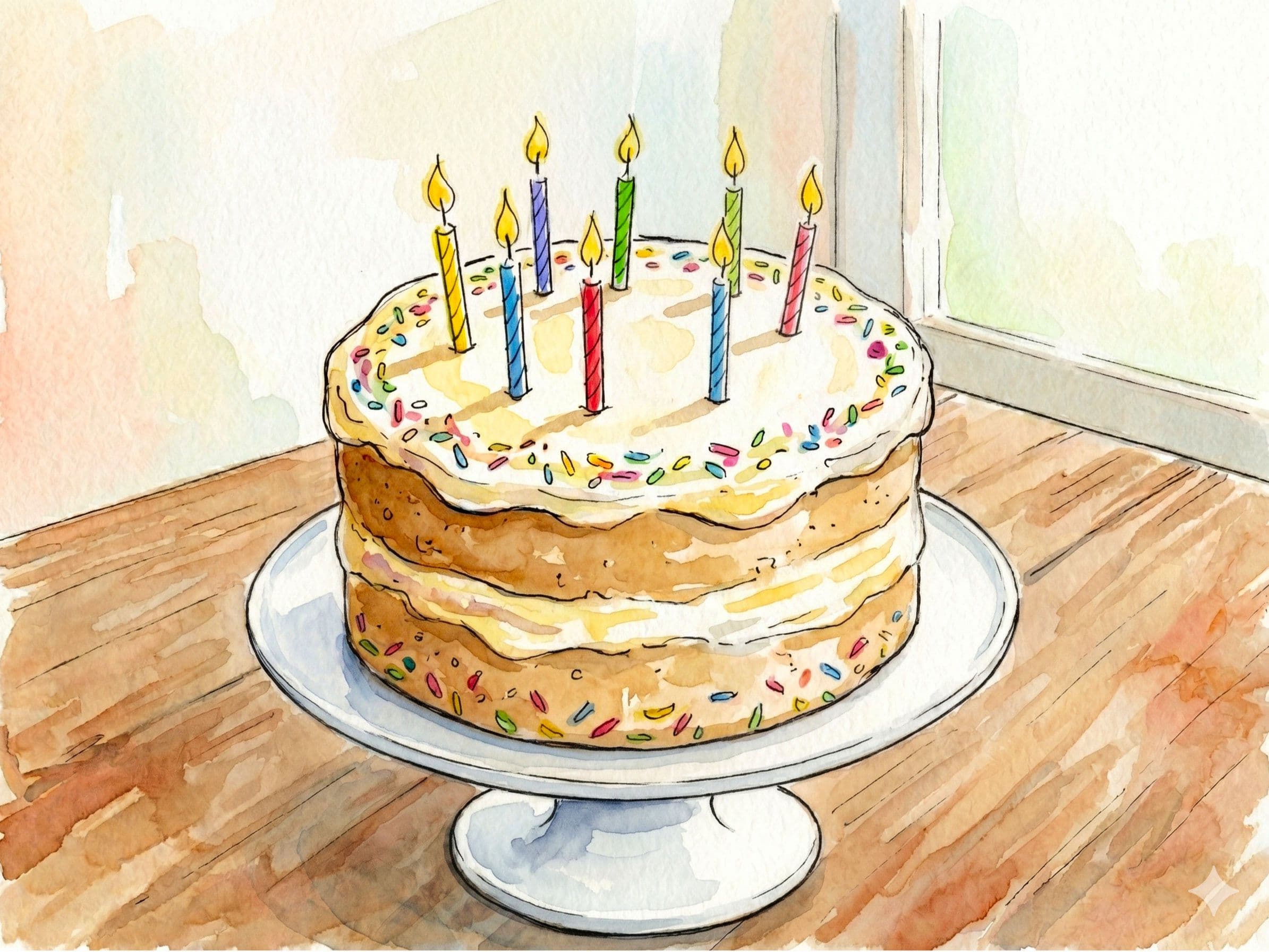
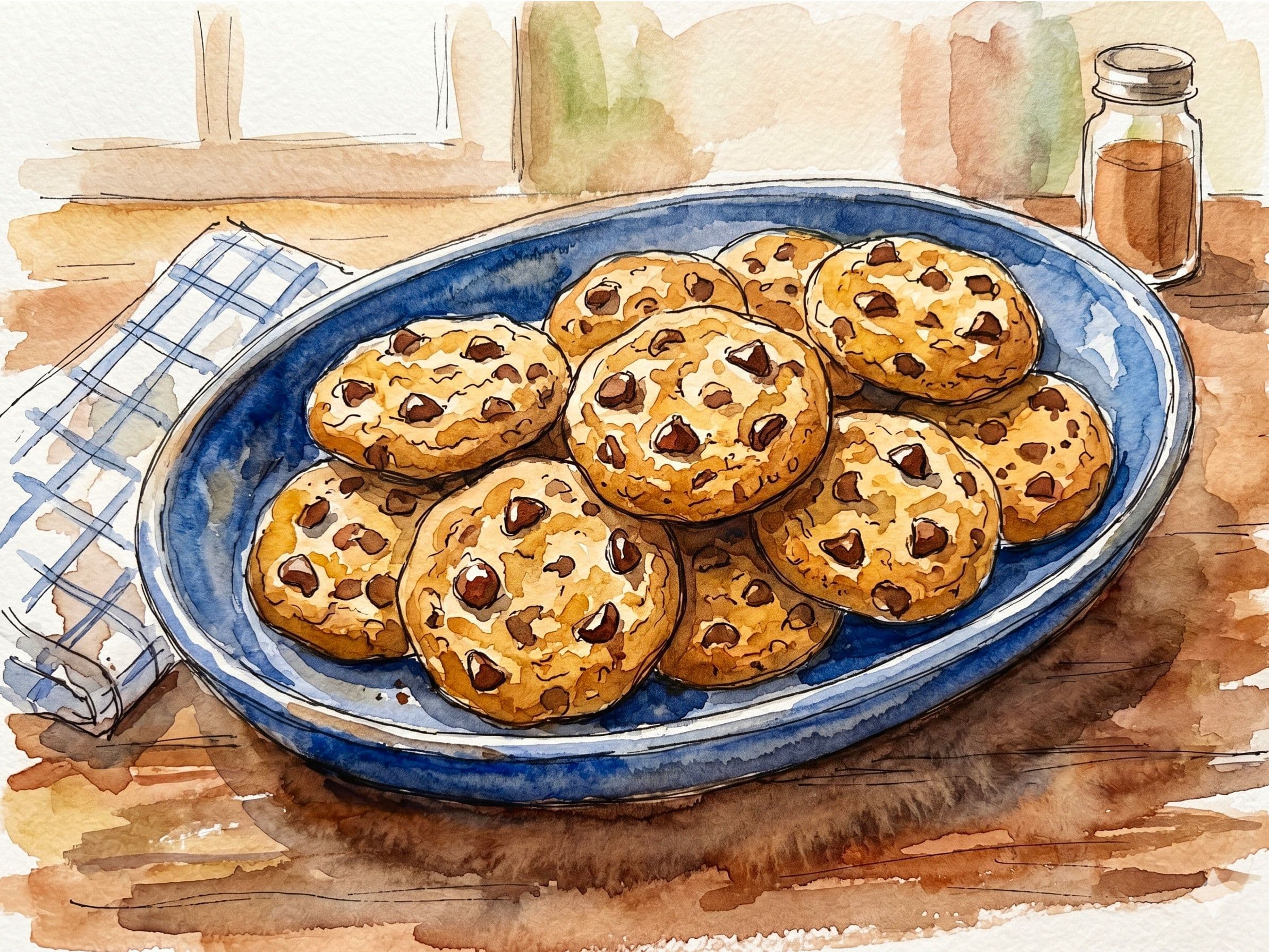
This is the frosting I reach for on a dairy-free birthday cake, but it's just as good piped onto cupcakes, spread thick on dairy-free chocolate chip cookies for a sandwich cookie situation, or smeared over cinnamon rolls while they're still warm.
Ingredients
Frosting
- 1 cupDairy-free butter sticks, cool room temperature
- 4 cupsPowdered sugar, sifted if lumpy
- 2 tspVanilla extract
- ¼ tspFine salt
- 3 tbspUnsweetened oat milk or full-fat coconut cream
Optional
- ½ tspLemon juice or apple cider vinegar, optional for balance
Instructions
- 1
Add the dairy-free butter to a large bowl or stand mixer bowl. Beat on medium speed for 2 minutes, until smooth, creamy, and slightly lighter.
- 2
Add 2 cups of the powdered sugar, the vanilla, and the salt. Beat on low speed until the sugar is mostly incorporated, then increase to medium and beat for 1 minute.
- 3
Add the remaining 2 cups powdered sugar and 2 tablespoons of the oat milk or coconut cream. Beat on low until combined, then increase to medium-high and beat for 2 to 3 minutes, until fluffy.
- 4
Adjust the texture. For thicker piping frosting, add a little more powdered sugar. For softer spreading frosting, beat in the remaining oat milk or coconut cream 1 teaspoon at a time.
- 5
Taste the frosting. If it tastes very sweet or flat, beat in the optional lemon juice or apple cider vinegar. Use immediately, or cover and refrigerate until ready to use.
Did you make it?
Tap a star to rate this recipe.
How we make it dairy-free
- Dairy butter → Dairy-free butter sticks, kept at cool room temperature so they whip smooth instead of breaking.
- Milk or heavy cream → Unsweetened oat milk for a neutral, easy-to-tint frosting, or full-fat coconut cream if you want something richer and sturdier in the heat.
- Plain table salt → Fine salt, added straight into the sugar so it dissolves instead of leaving little crunchy bits.
Coconut cream makes a slightly denser frosting, so if you go that route you may need an extra splash to loosen it for piping.
Tips & Variations
Use dairy-free butter sticks: Tub spreads are usually too soft and watery for frosting. Sticks behave more like traditional butter and give the frosting better structure.
Cool room temperature matters: Dairy-free butter should be soft enough to dent but not shiny, greasy, or melting. Too-warm butter makes loose frosting.
Sift only if needed: Powdered sugar clumps vary by brand. If yours looks lumpy, sift it before adding so the frosting stays smooth.
Oat milk versus coconut cream: Oat milk keeps the flavor neutral. Coconut cream makes the frosting richer and a little more stable, but it can add a faint coconut note.
Balance the sweetness: A tiny amount of lemon juice or apple cider vinegar does not make the frosting taste tart. It just helps keep dairy-free buttercream from tasting one-note sweet.
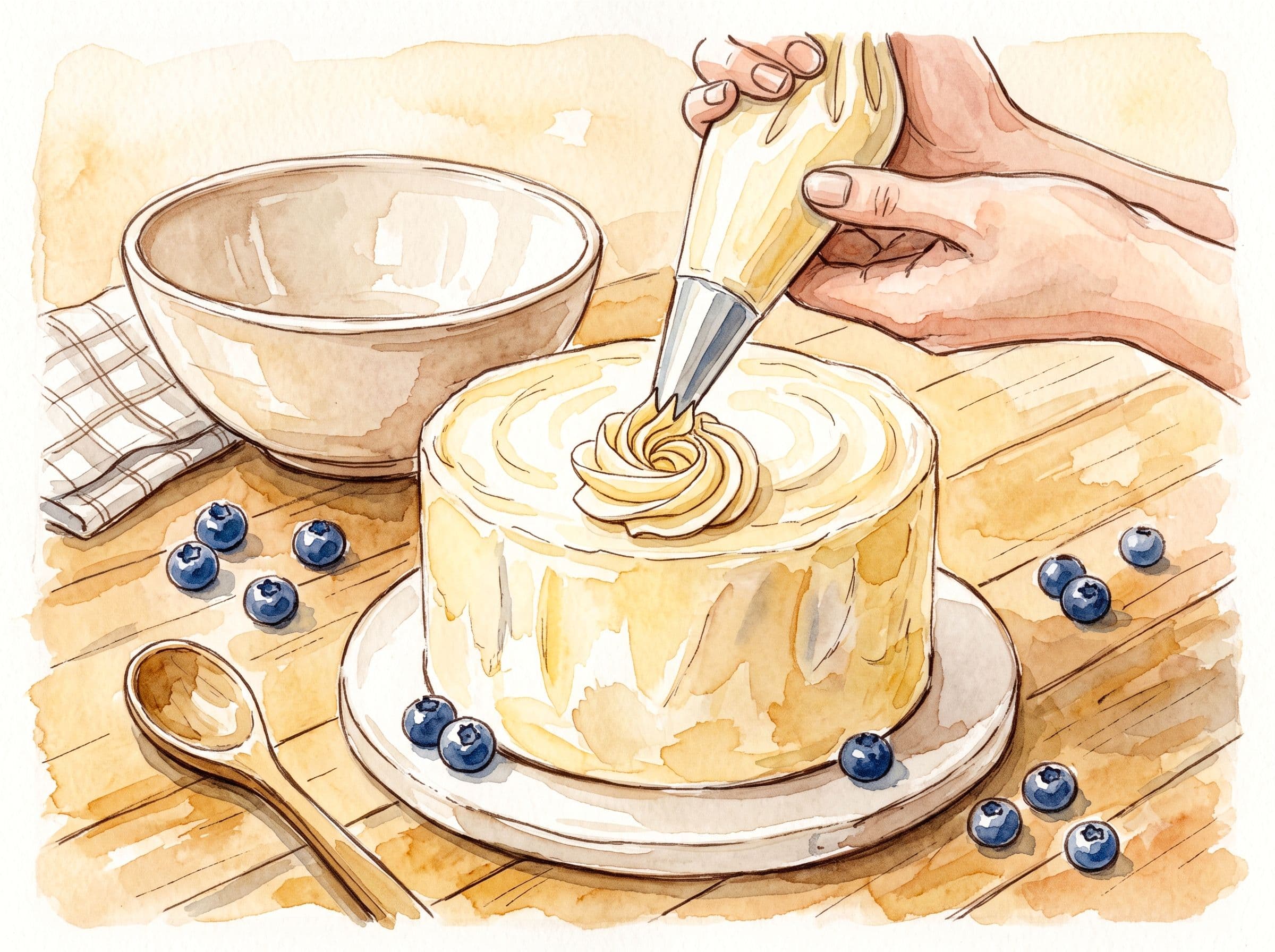
For piping: Keep the frosting slightly thicker than you would for spreading. If it warms up while decorating, refrigerate it for 10 to 15 minutes, then beat briefly.
For warm rooms or shapes that must hold: Swap 2 to 4 tablespoons of the dairy-free butter for vegetable shortening. Shortening has a higher melt point, so the frosting keeps its shape and pipes more cleanly in warm conditions. Coconut cream adds richness and a little stability, but shortening does the most for structure.
If the frosting looks greasy or separated: Dairy-free butter that got too warm can make buttercream look curdled or soupy. Refrigerate the bowl for 10 to 15 minutes, then re-whip on medium-high until it comes back together and turns fluffy.
For a layer cake: This makes enough to frost 12 cupcakes or lightly frost one 8-inch two-layer cake. For a thick bakery-style layer cake, make 1 1/2 batches.
Make ahead: Refrigerate for up to 5 days. Let it soften at room temperature, then re-whip before using.
Frequently asked questions
Can I use melted dairy-free butter for this frosting?⌄
No, melted butter won't hold air and your buttercream will turn soupy. Use dairy-free butter sticks that are cool room temperature, soft enough to press a finger into but not shiny or greasy.
Why does my dairy-free buttercream look curdled or grainy?⌄
That usually means the butter was too warm or the liquid went in too fast. Beat the butter alone first until smooth, then add powdered sugar gradually and the oat milk or coconut cream a little at a time.
Does coconut cream make the frosting taste like coconut?⌄
A little, yes. Full-fat coconut cream adds richness and a faint coconut background note. If you want a purely vanilla flavor, stick with unsweetened oat milk instead.
How long does dairy-free vanilla buttercream hold up at room temperature?⌄
It's fine sitting out for a few hours on a cake or cupcakes, similar to regular buttercream. For longer storage, keep it covered in the fridge and let it come back to room temperature before rebeating it smooth.
Dairy-Free Vanilla Buttercream Frosting · https://nondairydude.com/recipes/dairy-free-vanilla-buttercream-frosting
Get new dairy-free comfort food recipes
New recipes, substitution tips, and classic dishes rebuilt without dairy.