Dairy-Free Birthday Cake
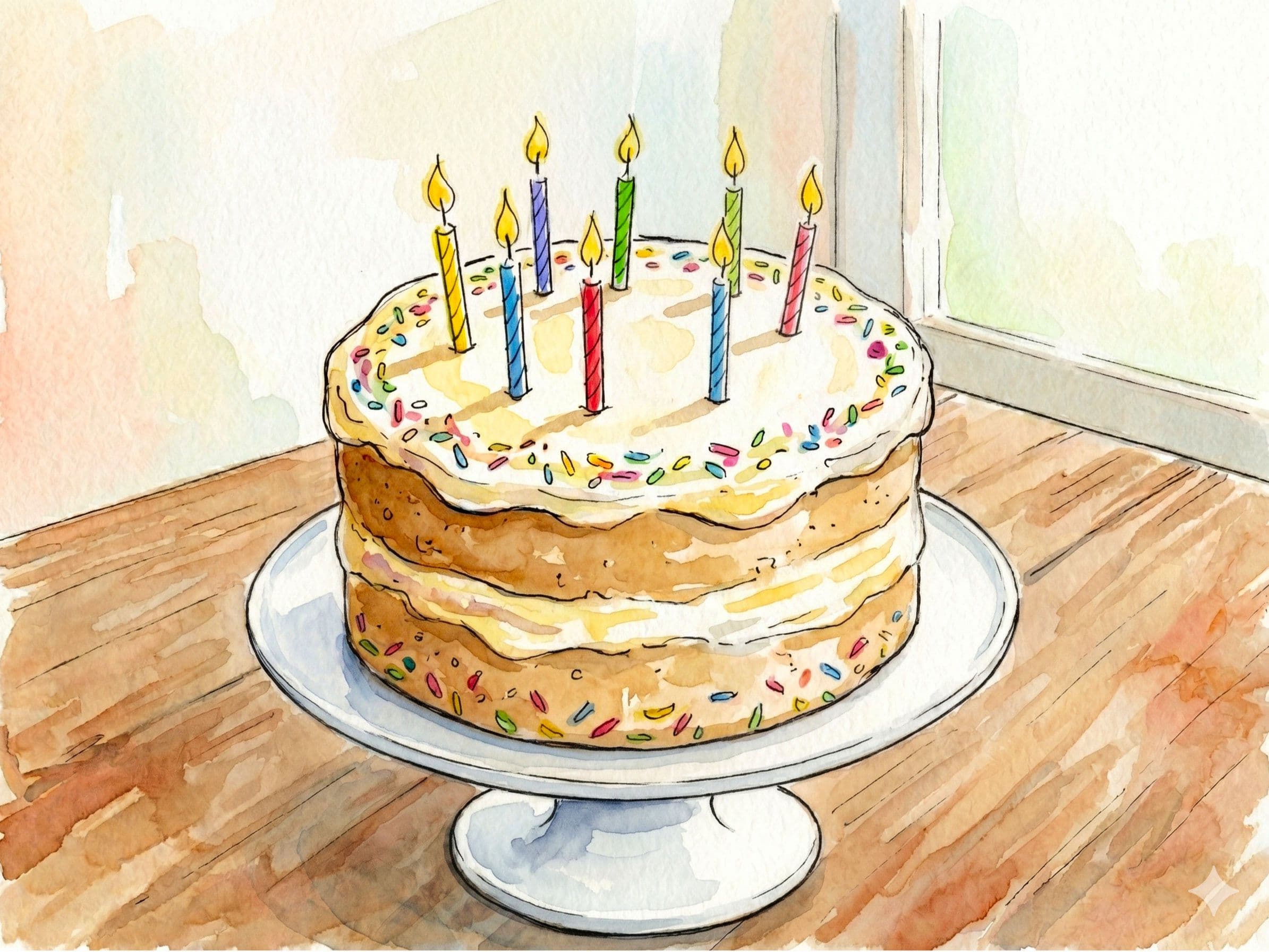
A dairy-free birthday cake with tender vanilla layers and fluffy dairy-free buttercream, built like a real celebration cake without a drop of dairy.
Recipe by Andrew Tibbs, the Non Dairy Dude in Dairy-Free Desserts
Published
Featured in Dairy-Free 4th of July
- Total
- 1h 27m
- Servings
- 12
- Level
- medium
I started making this one after my kid's birthday party got derailed by a cake nobody in our house could actually eat. Store-bought bakery cakes are loaded with butter and buttermilk, and most boxed mixes still want real milk stirred in, so I just built my own from scratch. Three rounds of trial and error later, this is the one that gets requested by name now.
The trick with a dairy-free yellow cake isn't really a trick, it's just paying attention to two things: tenderness and flavor. I sour oat milk or soy milk with a splash of vinegar to mimic buttermilk, which keeps the crumb soft instead of dense. Dairy-free butter sticks bring back that classic vanilla cake flavor, and a little neutral oil keeps things moist even after the cake sits out for a few hours at a party. Once the layers cool, I frost the whole thing with dairy-free vanilla buttercream, which pipes and spreads just like the real thing.
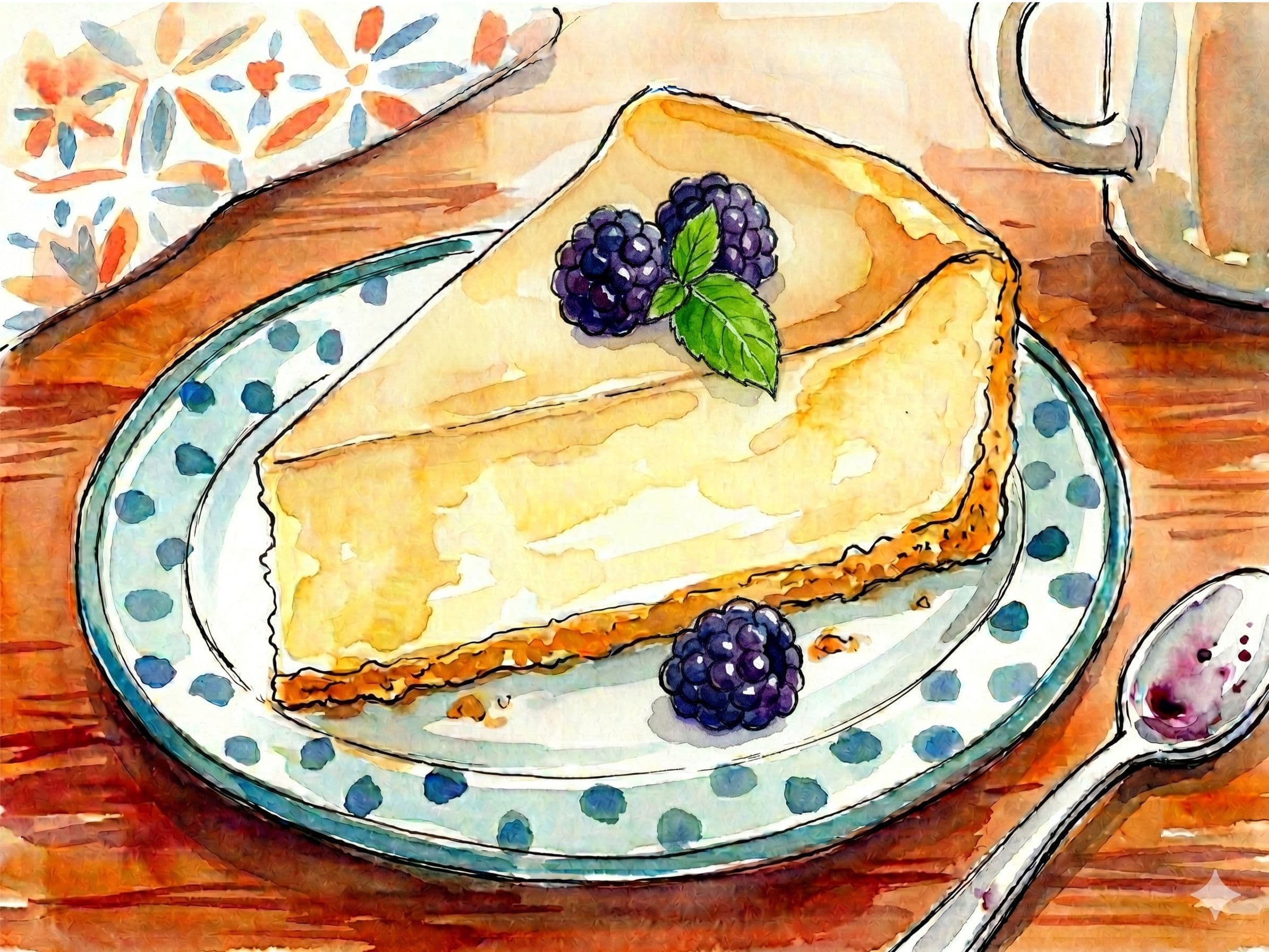
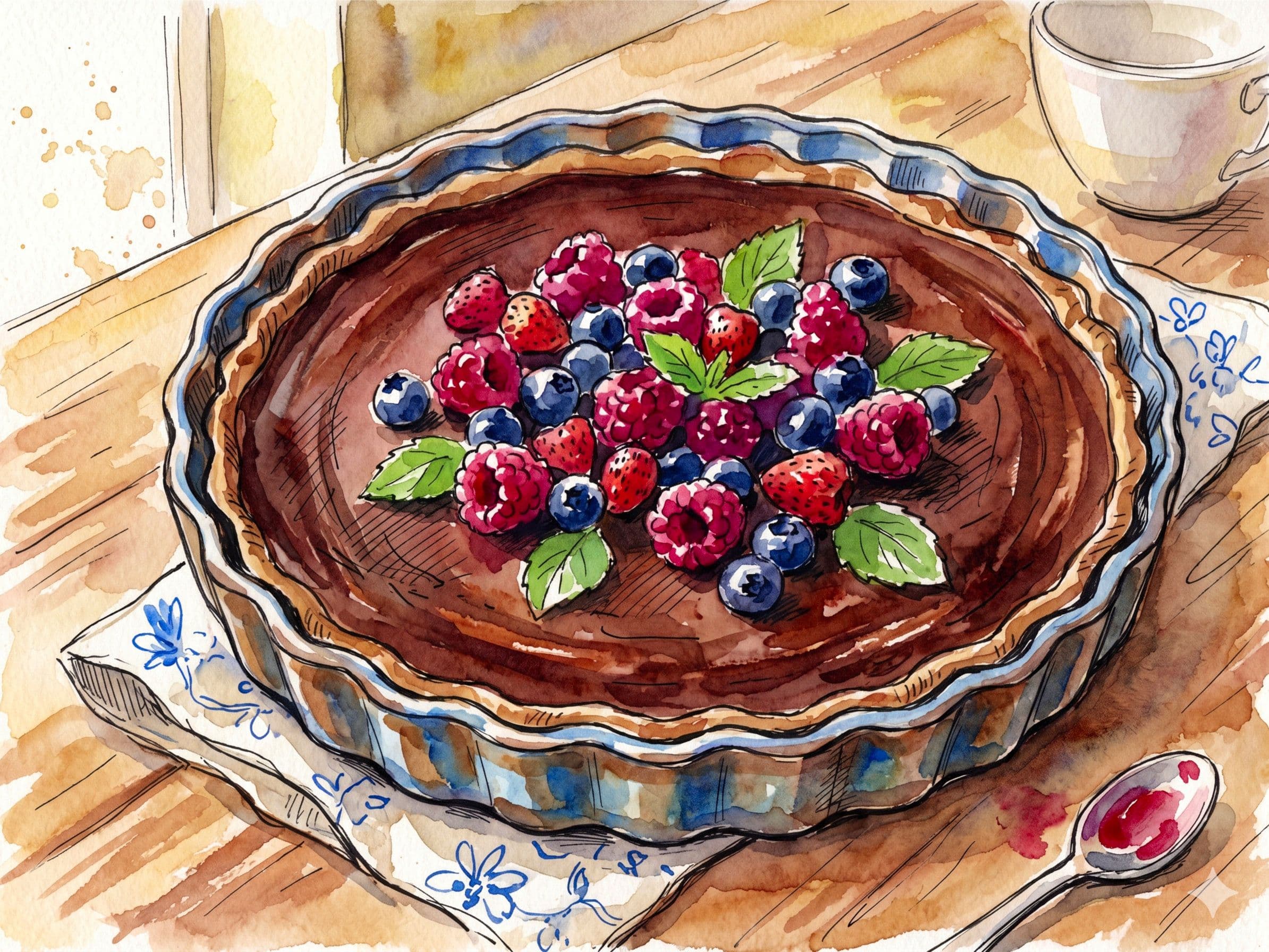
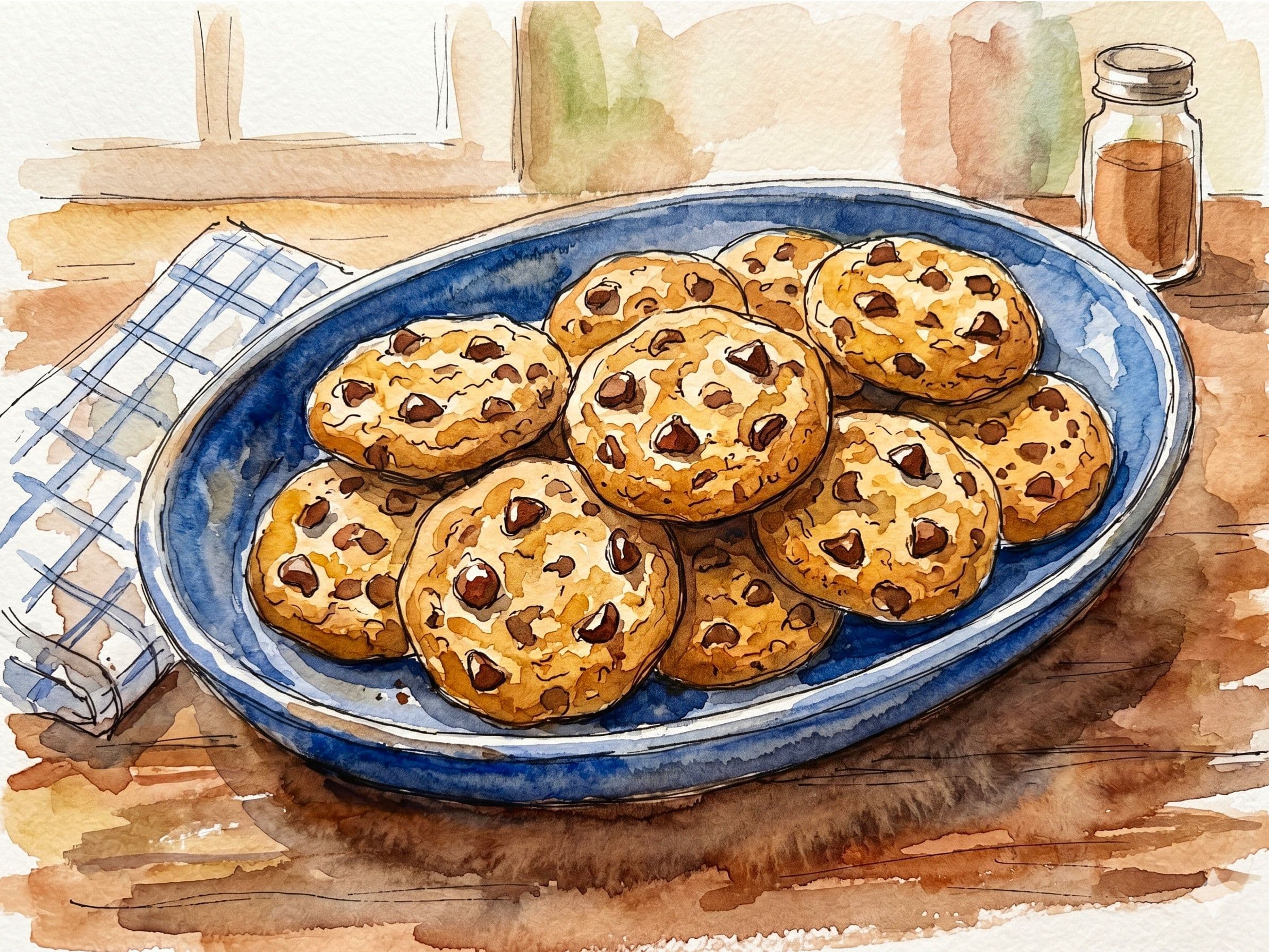
This cake is built for a crowd, so I usually serve it alongside something else from the dessert table. If you want a second dessert option that isn't cake, dairy-free chocolate chip cookies cover the kids who always ask for cookies instead, and a slice of dairy-free chocolate berry tart rounds things out nicely for the adults.
This recipe uses: Dairy-Free Vanilla Buttercream Frosting
Ingredients
Cake
- 1 cupUnsweetened oat milk or soy milk, room temperature
- 1 tbspApple cider vinegar or lemon juice
Dry Ingredients
- 2½ cupsAll-purpose flour
- ¼ cupCornstarch
- 2½ tspBaking powder
- ¼ tspBaking soda
- 1 tspFine salt
Batter
- ½ cupDairy-free butter sticks, softened
- ¼ cupNeutral oil
- 1½ cupsGranulated sugar
- 3 largeLarge eggs, room temperature
- 1 largeLarge egg yolk, room temperature
- 1 tbspVanilla extract
Assembly
- 1½ batchesDairy-free vanilla buttercream frosting
- ½ cupDairy-free rainbow sprinkles, plus more for decorating
Instructions
- 1
Heat the oven to 350 F. Grease two 8-inch round cake pans, line the bottoms with parchment, and lightly flour the sides or use dairy-free baking spray.
- 2
Stir together the dairy-free milk and vinegar or lemon juice. Let stand for 5 minutes while you measure the dry ingredients.
- 3
In a medium bowl, whisk together the flour, cornstarch, baking powder, baking soda, and salt.
- 4
In a large bowl or stand mixer, beat the dairy-free butter, oil, and sugar on medium speed for 3 minutes, until fluffy and lighter. Scrape down the bowl.
- 5
Beat in the eggs and egg yolk one at a time, mixing well after each addition. Beat in the vanilla.
- 6
Add one-third of the dry ingredients and mix on low just until combined. Add half of the dairy-free milk mixture, then another third of the dry ingredients, the remaining milk mixture, and the remaining dry ingredients. Mix only until the batter is smooth.
- 7
Fold in the sprinkles gently with a spatula, using as few strokes as possible so the colors do not bleed through the batter.
- 8
Divide the batter evenly between the prepared pans and smooth the tops. Bake for 28 to 32 minutes, until the cakes spring back lightly and a toothpick inserted in the center comes out clean or with a few moist crumbs.
- 9
Cool the cakes in the pans for 15 minutes, then turn out onto a rack, remove the parchment, and cool completely before frosting.
- 10
Place one cake layer on a plate or cake stand. Spread a generous layer of dairy-free vanilla buttercream over the top. Add the second layer, then frost the top and sides with the remaining buttercream.
- 11
Decorate with more sprinkles. For cleaner slices, chill the frosted cake for 20 to 30 minutes before cutting, then let slices sit at room temperature for a few minutes before serving.
Did you make it?
Tap a star to rate this recipe.
How we make it dairy-free
- Milk → Unsweetened oat milk or soy milk, soured with apple cider vinegar or lemon juice. The acid reacts with the milk the same way buttermilk would, so the layers stay tender instead of turning out tough.
- Butter → Dairy-free butter sticks, softened like regular butter. They cream with the sugar the same way and give the cake that familiar vanilla butter-cake flavor.
- Extra moisture → A small amount of neutral oil added alongside the dairy-free butter. Butter alternatives can dry out a cake on their own, so the oil keeps every slice moist a day or two later.
- Frosting → Dairy-free vanilla buttercream instead of a butter-and-cream frosting. It whips up light and holds its shape for piping or just spreading on thick with an offset spatula.
Tips & Variations
Use room-temperature ingredients: Dairy-free butter, eggs, and dairy-free milk mix more evenly when they are not cold. This helps the cake bake with a finer, softer crumb.
Oat milk or soy milk work best: Both have enough body for cake batter. Thin almond milk can work, but the cake may be slightly less tender.
Why both butter and oil: Dairy-free butter gives classic birthday-cake flavor, while oil keeps the crumb moist. Using only dairy-free butter can make the cake firmer after chilling.
Cornstarch softens the crumb: It mimics some of the tenderness of cake flour while keeping the ingredient list pantry-friendly.
Check the sprinkles: Most sprinkles are dairy-free, but some specialty blends contain confectioner's glaze, milk-derived ingredients, or shared-line warnings. Use what fits your needs.
Fold sprinkles gently: Overmixing after adding sprinkles can streak the batter and muddy the colors.
Cool completely before frosting: Even slightly warm cake will melt dairy-free buttercream faster than dairy buttercream. Patience saves the frosting job.
Frosting amount: One and a half batches of dairy-free vanilla buttercream gives enough for filling, sides, top, and a few decorative swirls. Use one batch for a thinner, more casual frosting layer.
Make ahead: Bake the cake layers 1 day ahead, wrap well, and keep at room temperature. Frost the day you plan to serve.
Frequently asked questions
Can I use almond milk instead of oat or soy milk?⌄
You can, just know almond milk is thinner and lower in fat, so the crumb won't be quite as tender. Oat milk or soy milk gets you closer to a real buttermilk cake. Whatever you use, don't skip souring it with the vinegar or lemon juice.
Can I make this cake ahead of time?⌄
Yes. Bake the layers a day ahead, let them cool completely, then wrap them tightly in plastic and leave them at room temperature overnight. Frost the next day. You can also freeze the unfrosted layers for up to a month if you're planning further out.
How do I store the finished cake?⌄
Once it's frosted, keep it covered at room temperature for up to two days, or in the fridge for about five if your kitchen runs warm. Let refrigerated slices sit out for twenty minutes or so before serving since the buttercream firms up when it's cold.
Is this recipe nut-free?⌄
It can be, depending on which dairy-free milk and butter you buy. Soy milk and most major dairy-free butter stick brands are nut-free, but always check the label since some oat milks and butter alternatives are processed in facilities with nuts.
Dairy-Free Birthday Cake · https://nondairydude.com/recipes/dairy-free-birthday-cake
Get new dairy-free comfort food recipes
New recipes, substitution tips, and classic dishes rebuilt without dairy.