Dairy-Free Sour Cream
Thick, tangy dairy-free sour cream made from soaked cashews, lemon juice, and apple cider vinegar, ready to spoon onto tacos, baked potatoes, or anything that needs a cool, sour hit.
Recipe by Andrew Tibbs, the Non Dairy Dude in Dairy-Free Sauces
Published
- Total
- 1h 40m
- Servings
- 10
- Level
- easy
I went through a lot of sad, watery cashew creams before I landed on this one. Most recipes treat dairy-free sour cream like an afterthought: blend nuts, add lemon, call it done. That gets you cashew cream with a citrus note, not sour cream. The dairy version has a deeper tang from actual culturing, and the only way to fake that without dairy is to either lean hard on acid or actually culture the cashews yourself.
This recipe does both. The quick version uses lemon juice, apple cider vinegar, salt, and a little Dijon to push the flavor savory instead of sweet and nutty. If you've got ten extra minutes of patience and a probiotic capsule, plain dairy-free yogurt, or some sauerkraut brine sitting around, the cultured variation gets you something closer to the real thing: rounder, funkier, less like flavored cashew paste. Soaking the cashews in boiling water first is what gets the texture smooth instead of grainy, so don't skip that step even if you're in a hurry.
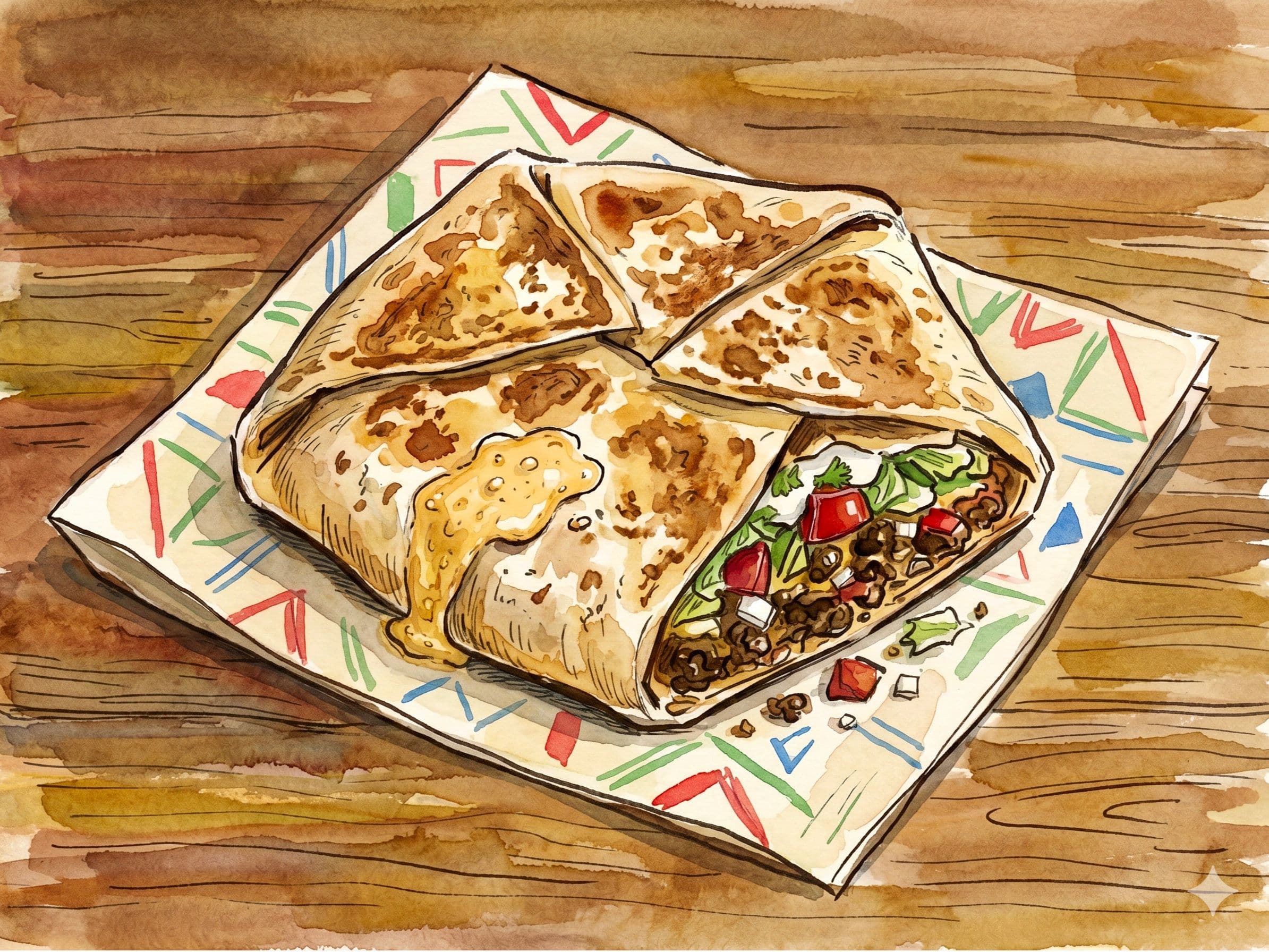
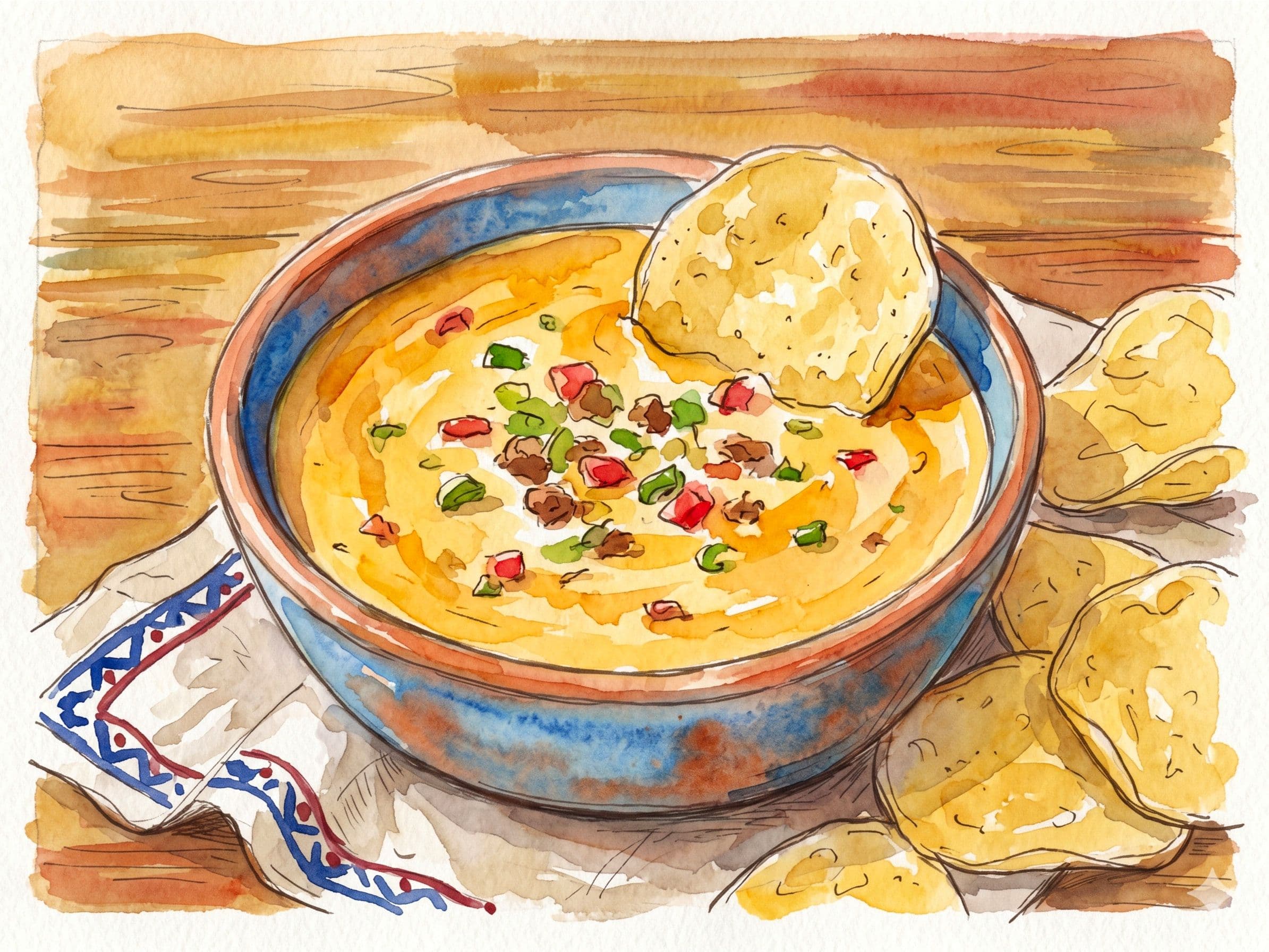
Once it's cold and spoonable, use it anywhere sour cream usually goes. Dollop it on a Dairy-free Taco Crunch Wrap, stir a spoonful into Dairy-Free Queso Sauce to mellow the heat, or set it out next to Dairy-Free Queso Cheese Dip for taco night. It also holds up fine on a baked potato or stirred into soup at the end.
Ingredients
Base
- 1 cupRaw cashews
- 2 cupsBoiling water, for soaking
Blend
- ½ cupCold water
- 1½ tbspFresh lemon juice
- 2 tspApple cider vinegar
- ¾ tspFine salt
- ¼ tspDijon mustard
- 1 tbspNeutral oil, optional for extra richness
Cultured Variation
- 1 capsuleProbiotic capsule, optional for cultured variation
- 1 tbspPlain unsweetened dairy-free yogurt with live cultures, optional alternative to probiotic
- 1 tbspRaw sauerkraut brine, optional alternative culture starter
Instructions
- 1
Place the cashews in a heatproof bowl and cover with the boiling water. Let soak for 30 minutes, then drain and rinse. If your blender is not high-speed, soak the cashews for 1 hour so the sour cream blends smoother.
- 2
Add the drained cashews, cold water, lemon juice, apple cider vinegar, salt, Dijon mustard, and neutral oil if using to a blender.
- 3
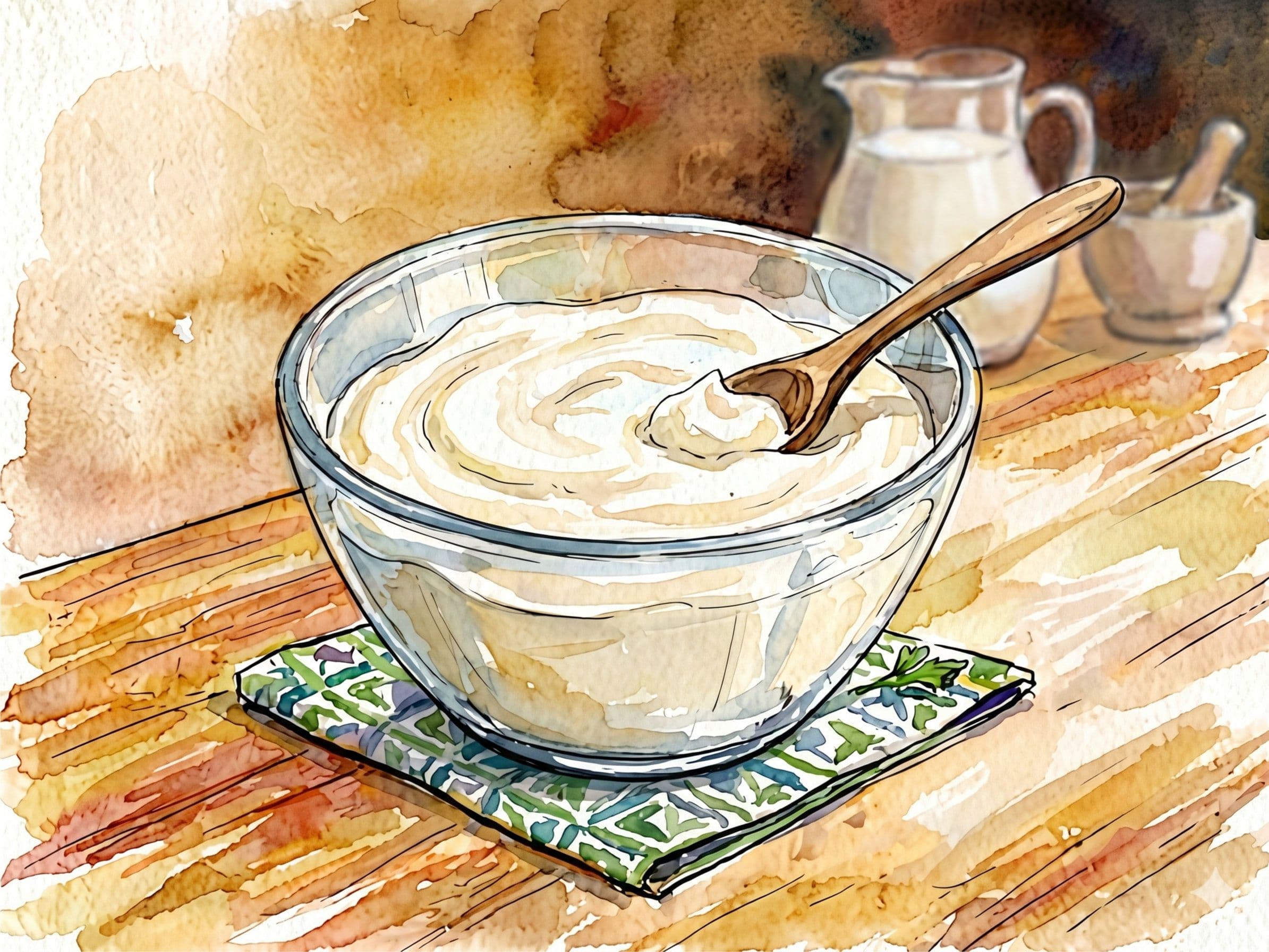
Blend on high for 1 to 2 minutes, stopping to scrape down the sides as needed, until completely smooth. The mixture should look glossy and thick, with no graininess.
- 4
Taste and adjust carefully. Add more lemon juice 1 teaspoon at a time for brightness, more vinegar 1 teaspoon at a time for sharper tang, or a pinch more salt if it tastes flat. The quick version should taste tangy but not mouth-puckering.
- 5
For a spoonable topping, transfer to a jar and chill for at least 1 hour. It will thicken as it cools. For a drizzle, whisk in cold water 1 tablespoon at a time until it reaches the texture you want.
- 6
For the cultured variation, blend the cashews with the cold water and either the powder from 1 probiotic capsule, 1 tablespoon plain unsweetened dairy-free yogurt with live cultures, or 1 tablespoon raw sauerkraut brine. Leave out the lemon juice, vinegar, salt, Dijon, and oil at first. Transfer to a very clean jar, cover loosely, and let sit at cool room temperature for 12 to 24 hours, until lightly tangy. Then stir or blend in the lemon juice, vinegar, salt, Dijon, and oil. Chill before serving.
- 7
Store covered in the refrigerator for up to 5 days. Stir before using; if it thickens too much, loosen with a small splash of water or lemon juice. If the cultured version ever smells unpleasant, grows mold, or turns pink or fuzzy, discard it.
Did you make it?
Tap a star to rate this recipe.
How we make it dairy-free
- Sour cream base → Raw cashews, soaked in boiling water until soft, then blended with cold water until smooth. This is what gives it body instead of a thin, pourable texture.
- Quick tang → Fresh lemon juice and apple cider vinegar do the brightening work fast, no waiting required.
- Deeper, cultured tang (optional) → A probiotic capsule, plain unsweetened dairy-free yogurt with live cultures, or raw sauerkraut brine, left to sit and develop real sourness instead of just acid.
- Savory backbone → Fine salt and a small amount of Dijon mustard keep it tasting like sour cream rather than seasoned cashew butter.
A splash of neutral oil is optional if you want it richer and silkier once blended.
Tips & Variations
Timing note: This is about 10 minutes of hands-on work, but the real path to a spoonable result is 30 minutes of soaking, a few minutes of blending and adjusting, and at least 1 hour of chilling. Plan on about 1 hour 40 minutes total for the quick version.
Use raw cashews: Roasted cashews taste too nutty here and can make the sour cream darker and heavier. Raw cashews blend cleaner and taste more neutral.
Chill before judging thickness: The sour cream may look a little loose straight from the blender, but it firms up noticeably after an hour in the refrigerator.
Quick versus cultured: The quick version is best when you need sour cream today. The cultured version tastes rounder and more like traditional sour cream, with less sharp lemon-vinegar bite.
Culture safely: Use a clean jar and keep the cultured version at cool room temperature, not in a hot kitchen. Start checking after 12 hours and refrigerate once it tastes pleasantly tangy.
Sauerkraut brine note: Use brine from raw, refrigerated, unpasteurized sauerkraut. Pasteurized shelf-stable brine can add acidity but will not reliably culture the sour cream. Because sauerkraut brine is salty and assertive, start with just 1 tablespoon.
For tacos and crunch wraps: Use it thick and cold, or stir in a little lime juice and hot sauce for a quick spicy sour cream.
For baked potatoes: Keep it thick, then top with chives, black pepper, and a tiny drizzle of olive oil if you want a richer finish.
For dressings: Thin with water until pourable, then add herbs, garlic powder, onion powder, or pickle brine depending on the dressing you are making.
Nut-free tofu option: Drain 12 ounces of silken tofu in a fine-mesh strainer or on paper towels for 10 minutes, then blend it with the lemon juice, vinegar, Dijon, 1 tablespoon neutral oil, and 1 teaspoon fine salt, skipping the cashews and soaking water. The flavor is lighter and less rich than the cashew version, but the oil and extra salt help it taste fuller and less watery.
Avoid sweetened yogurt: If you ever mix this with dairy-free yogurt for extra tang, make sure the yogurt is plain and unsweetened. Vanilla or sweetened yogurt will ruin the savory flavor.
Frequently asked questions
Do I have to soak the cashews in boiling water, or is cold water soaking enough?⌄
Boiling water gets you there faster and softer, usually in about an hour versus several hours or overnight with cold water. If you're short on time, boiling water soaking is the move; this recipe is built around it.
Can I skip the cultured variation and just use lemon juice and vinegar?⌄
Yes. The lemon juice and apple cider vinegar version is plenty tangy on its own and ready right after blending. The cultured option with a probiotic capsule, dairy-free yogurt, or sauerkraut brine just gets you a deeper, more fermented flavor if you want to go further.
Why does my dairy-free sour cream taste like plain cashews?⌄
That usually means not enough acid or salt. The lemon juice, apple cider vinegar, and Dijon mustard are doing the work of making it taste savory and sour instead of like sweetened nut cream, so don't be shy with them.
How long does homemade cashew sour cream keep in the fridge?⌄
About five to seven days in a sealed container. It thickens further as it chills, so give it a stir before serving if it firms up more than you'd like.
Dairy-Free Sour Cream · https://nondairydude.com/recipes/dairy-free-sour-cream
Get new dairy-free comfort food recipes
New recipes, substitution tips, and classic dishes rebuilt without dairy.